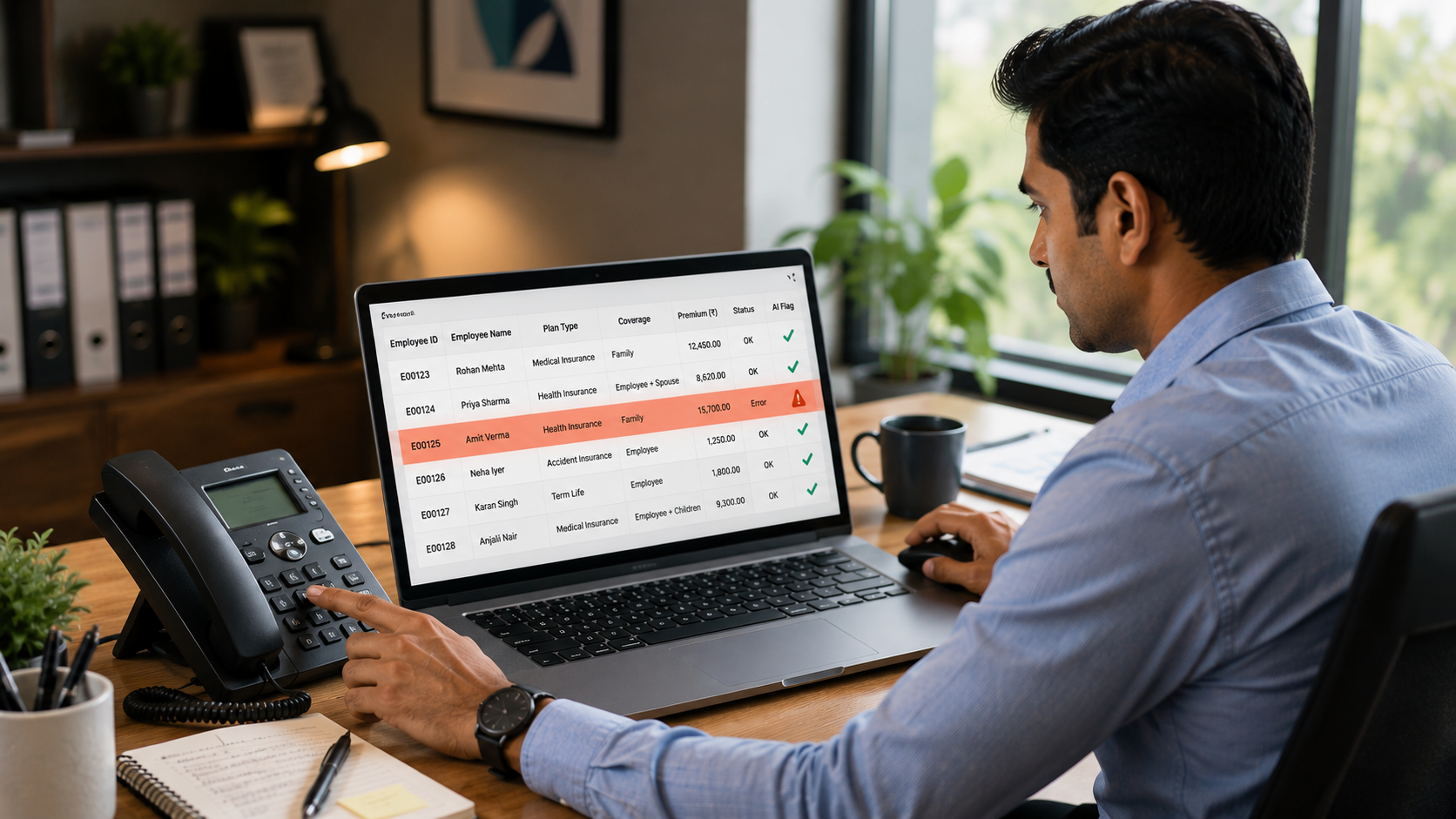




PEO accounting is uniquely complex. You’re managing client funding, worksite payroll, taxes, benefits, fees, and reserves, often across multiple states and carriers. As your PEO grows, a small in-house accounting team can struggle to keep up with daily posting, reconciliations, and reporting, even before year-end hits. That’s where back office accounting services in India come in. By building a dedicated PEO accounting back office, you can move high-volume, rules-based work offshore while keeping oversight and decision-making with your US finance leaders. In this guide, learn what PEO accounting really involves, which tasks can be safely offshored, and how to structure an India-based back office accounting team that supports growth instead of slowing it down.
What Is PEO Accounting and Why Is It So Complex?
PEO accounting is significantly more complex than standard payroll accounting. A payroll provider primarily processes wages, taxes, and filings. A Professional Employer Organization (PEO), however, manages a much broader financial structure tied to client funding, employee benefits, and multiple regulatory obligations.
In a typical PEO model, funds flow through several channels at once. Clients send funding deposits that must cover payroll, tax liabilities, benefit premiums, workers’ compensation costs, and the PEO’s administrative service fees. These funds must be tracked carefully through trust accounts, reserve balances, and carrier payments while ensuring each client’s financial activity is recorded accurately.
As a PEO grows, these transactions multiply quickly. Each payroll cycle creates entries related to wages, employer taxes, employee deductions, benefits payments, and fee allocations. Add multi-state operations, multiple benefit carriers, and different client plan structures, and the accounting workload becomes even more complex.
When PEO accounting processes fall behind, the risks can escalate. Reconciliation delays can lead to cash flow gaps, reporting errors, or compliance issues. More importantly, inaccurate accounting can damage client trust. For growing PEOs, maintaining clean, consistent accounting operations becomes just as important as delivering accurate payroll.
 Back Office Accounting Services PEOs Can Safely Outsource to India
Many of the accounting activities inside a PEO follow structured, repeatable processes. These types of tasks are well suited for back office accounting services, particularly when supported by trained offshore accounting teams.
Back office accounting services in India often handle high-volume financial tasks that require consistency and documentation but do not require strategic financial decision-making. These services can support accounting back office operations for PEOs and staffing companies while allowing US finance teams to focus on oversight and financial planning.
Common tasks handled by back office accounting India teams include daily general ledger posting, account reconciliations, and client billing calculations. Offshore teams can also assist with benefit and workers’ compensation reconciliations, tracking payroll liabilities, and preparing standard financial or management reports.
Because these activities follow established workflows, they can be documented and processed efficiently by a dedicated team. The result is a more stable accounting operation where routine financial tasks are handled consistently while internal leaders maintain control of financial strategy and approvals.
How to Structure a PEO Accounting Back Office in India
A well-designed PEO accounting back office typically mirrors the structure of a traditional accounting department. Instead of relying on one or two internal employees to manage everything, outsourced PEO accounting uses a team model that separates responsibilities and improves review processes.
Junior accountants often handle daily transaction posting, reconciliations, and supporting documentation. Their work focuses on high-volume accounting tasks that follow established procedures. Senior accountants then review entries, investigate discrepancies, and ensure reconciliations align with internal policies.
Team leads or supervisors coordinate workloads, monitor timelines, and communicate with the US finance team. This structure allows the offshore accounting team to function as a true extension of the internal accounting department.
When properly implemented, a PEO accounting back office in India integrates with existing accounting software, payroll systems, and workflow tools used by the PEO. With clear procedures and oversight in place, outsourced PEO accounting becomes a reliable operational layer that helps accounting teams keep pace with growth.
Add scalable accounting support with a dedicated India based back office team.
Controls, Security & Audit Readiness for India-Based PEO Accounting
Strong internal controls are essential in PEO accounting, especially when part of the accounting workflow is handled by an offshore team. A well structured back office accounting India model should reinforce financial controls rather than weaken them.
Key control practices typically include:
- Segregation of duties: Different team members handle transaction posting, reconciliations, and review to reduce the risk of errors or unauthorized changes.
- Approval workflows: Critical accounting entries or adjustments require review and approval from US finance leaders before being finalized.
- Documented procedures: Every journal entry, reconciliation, and billing calculation follows standardized documentation and operating procedures.
- Audit trails and activity tracking: Systems log financial entries, updates, and approvals so accounting teams can trace activity when questions arise.
- Checklist driven month end close processes: Structured close procedures ensure reconciliations and financial reporting are completed consistently each period.
When these controls are properly implemented, a PEO accounting back office in India can support external audits, internal reviews, and financial reporting without disrupting compliance requirements.
When to Move from In-House Only to an India-Based Accounting Back Office
Many growing PEOs reach a point where their accounting workload begins to outpace the capacity of a small in-house team. One of the first warning signs is a delayed month end close, where reconciliations and reporting take longer than expected.
Another common signal is over reliance on one or two key accounting staff members who hold critical operational knowledge. When those individuals become overwhelmed, the risk of delays or errors increases.
Rapid growth can also trigger accounting strain. As new clients are onboarded, transaction volumes increase across payroll, benefits, billing, and tax accounts. Adding new services or expanding into additional states can further complicate financial reporting.
An India based accounting back office allows PEOs to expand accounting capacity before these challenges begin affecting accuracy or reporting timelines. By shifting routine financial work to a structured offshore team, finance leaders can maintain clean books, strengthen internal controls, and support continued growth without constantly expanding internal headcount.
Building a Scalable Accounting Back Office for Your PEO
For growing PEOs, the challenge isn’t just adding more clients—it’s keeping your accounting clean, timely, and auditable as complexity increases. A well-designed PEO accounting back office in India gives you the capacity and structure to handle daily posting, reconciliations, and reporting without overloading your US team. You stay in control of policies, approvals, and client relationships, while your India-based team handles the heavy lifting behind the scenes. If you’re ready to explore how back office accounting services in Chennai can support your PEO’s next stage of growth, talk with our team about what a dedicated PEO accounting back office could look like for your organization.