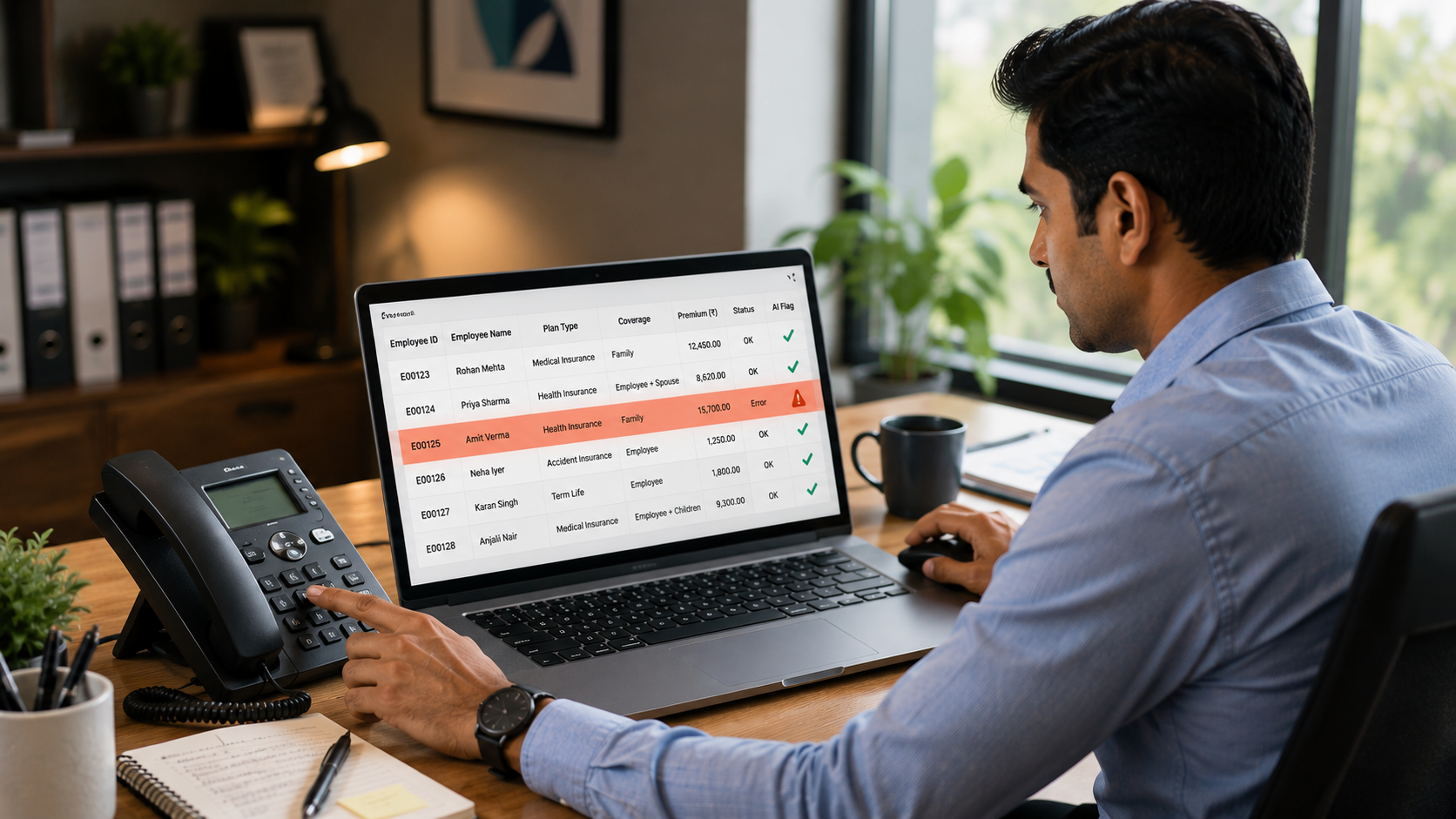




Offshore bookkeepers in India are often viewed as a narrow bookkeeping solution, but the best teams do far more than basic posting and reconciliations.
When your workflow is built correctly, they can support back office payroll, month-end accounting, reporting inputs, billing preparation, and the repetitive tasks that slow down U.S. teams. That matters for payroll companies, PEOs, and CPA-led firms that are tired of jumping between disconnected spreadsheets, inboxes, and systems just to close the month.
In this guide, we explain how offshore bookkeepers in India fit into a broader back office accounting workflow, what tasks they can realistically own, and how to build a cleaner handoff between your U.S. team and your India-based support team.
What Offshore Bookkeepers in India Actually Do
Offshore bookkeepers in India are no longer limited to basic data entry. In most modern service models, they function as an execution layer across multiple parts of the back office.
Their role typically starts with core bookkeeping tasks but expands into supporting financial workflows that connect directly to payroll and client billing.
What they handle often includes:
- Transaction categorization and general ledger maintenance
- Bank and credit card reconciliations
- Payroll data preparation and validation support
- Journal entry preparation and month-end assistance
- Client billing prep and invoice tracking
For payroll companies and PEOs, this means offshore bookkeepers are not just maintaining records. They are helping prepare the financial foundation that payroll, reporting, and billing depend on.
When structured correctly, this reduces rework and ensures that financial data stays consistent across systems.
How Offshore Bookkeepers Fit into Back Office Payroll and Accounting
The real value of offshore bookkeepers comes from how they connect workflows, not just complete isolated tasks.
In a typical setup, payroll and accounting are treated as separate processes. Payroll teams handle calculations and approvals, while accounting teams clean things up afterward. This creates delays, duplicate work, and frequent discrepancies.
A better approach is to position offshore bookkeepers in the middle of that workflow.
They support payroll before and after it runs. Before payroll, they help organize data, validate inputs, and prepare reports. After payroll, they assist with reconciliations, journal entries, and financial alignment. This creates continuity from payroll processing through to month-end close.
When this structure is in place, payroll and accounting stop operating in silos. Instead, they become part of one continuous process with fewer gaps and fewer surprises.
 The Difference Between Offshore Bookkeeping, Back Office Accounting, and Data Entry
These terms are often used interchangeably, but they represent different levels of responsibility.
Data entry is task-based and narrow. It focuses on inputting information without context or ownership. Offshore bookkeeping goes a step further by organizing and maintaining financial records with accuracy and consistency.
Back office accounting expands beyond bookkeeping. It includes reconciliations, reporting preparation, and support for financial decision-making. This is where offshore teams begin to play a more integrated role in operations.
Understanding this difference matters because many firms underutilize offshore teams. They limit them to data entry when those same teams could support broader back office accounting services and reduce workload across multiple departments.
Which Tasks Payroll Companies and PEOs Can Route to Offshore Bookkeepers
The most effective use of offshore bookkeepers comes from assigning tasks that are consistent, process-driven, and repeatable.
- Payroll data preparation, validation, and reporting support
- Bank and general ledger reconciliations
- Journal entry preparation and month-end support
- Client billing preparation and invoice tracking
- Employee and benefits-related data updates
These tasks sit at the intersection of bookkeeping, payroll, and accounting. When handled offshore, they create a smoother operational flow without removing control from the U.S. team.
How to Build One Workflow from Bookkeeping to Payroll to Reconciliation
Creating a unified workflow requires more than just assigning tasks. It requires intentional structure.
The process typically begins with clear inputs. Offshore bookkeepers organize and validate financial and payroll data before it moves into payroll processing. This ensures that payroll runs are based on clean, consistent information.
After payroll is completed, the same team supports the accounting side by preparing reconciliations and journal entries. Because they were already involved earlier in the process, they understand the data and can move faster with fewer errors.
This continuity is what eliminates the usual back-and-forth between departments. Instead of fixing issues after the fact, the workflow is designed to prevent them from happening in the first place.
Make back-office operations easier to manage.
How U.S. Teams Keep Quality Control When Working with Offshore Bookkeepers in India
Quality control does not come from doing everything in-house. It comes from having the right structure in place.
U.S. teams maintain oversight by owning approvals, exceptions, and client-facing decisions. Offshore bookkeepers handle execution, but outputs are reviewed where necessary before being finalized.
The most effective setups rely on clear processes, defined review points, and shared systems that allow both teams to see the same data in real time. When expectations are documented and workflows are visible, quality becomes easier to maintain and scale.
This approach allows offshore support to increase capacity without increasing risk.
Why Chennai-Based Offshore Bookkeepers Work Well for U.S. Service Firms
Chennai has become a leading hub for offshore bookkeeping and accounting support, particularly for firms serving U.S. clients.
The strength of Chennai comes from a combination of talent, experience, and operational maturity that supports long-term scalability.
Key advantages include:
- A strong talent pool trained in accounting, finance, and business operations
- High familiarity with U.S. payroll systems and financial workflows
- Established outsourcing infrastructure with proven processes
- Consistent communication standards and English proficiency
- Cost efficiency without sacrificing quality or accuracy
For payroll companies, PEOs, and CPA-led firms, this creates an environment where offshore bookkeeping can grow beyond basic support and become a fully integrated part of the back office.
FAQ: Offshore Bookkeepers in India for Payroll and Accounting Teams
What do offshore bookkeepers in India typically handle?
They support bookkeeping, reconciliations, payroll data preparation, billing support, and reporting inputs.
Can offshore bookkeepers support payroll workflows?
Yes. They typically assist with preparation, validation, and post-payroll accounting tasks, while approvals remain in the U.S.
Are offshore bookkeepers the same as data entry teams?
No. Bookkeepers manage financial records and workflows, while data entry roles are more limited and task-specific.
How do firms maintain control?
By keeping approvals, compliance decisions, and client communication with the U.S. team while offshore teams handle execution.
Connect Your Payroll and Accounting Workflow
Offshore bookkeepers in India are most valuable when they are built into a real back-office workflow, not treated as an isolated add-on.
When bookkeeping, payroll inputs, reconciliations, and reporting all move through one cleaner process, U.S. teams spend less time chasing details and more time managing clients, handling exceptions, and driving growth.
For PEOs, payroll providers, and accounting-heavy service firms, that kind of structure creates consistency across every cycle, from payroll runs to month-end close.
If the current process feels disconnected or overly manual, it may be time to explore how a Chennai-based team can help bring back office payroll and accounting into one dependable workflow.